Each year, anglers from across the United States travel north to Vancouver Island in search of strong salmon runs and productive bottom fishing. While many guests come from the West Coast — particularly Washington, Oregon, and California — anglers also make the trip from farther afield, including states like Texas, Florida, and beyond.
The appeal is clear. Vancouver Island offers access to Chinook and Coho salmon, Lingcod, Halibut, and Rockfish in a setting that feels wild and remote, yet remains surprisingly accessible with the right planning.
For many U.S. guests, especially those on the West Coast, Vancouver Island offers something rare: world-class fishing without the need to travel as far north as Alaska.
This guide walks through the key considerations for U.S. travelers planning a Vancouver Island fishing trip; from how to get here, to understanding the fishery, to choosing an area that aligns with your goals once you arrive.
Getting to Vancouver Island from the United States
If you’re already considering a fishing trip to Vancouver Island, the first practical question is usually how to get there from where you live. The good news is that Vancouver Island can be accessed in several different ways, allowing travelers to choose the option that best fits their location, schedule, and travel style.
Traveling from Washington State
For anglers traveling from Washington, Vancouver Island is particularly accessible, with multiple proven routes used regularly by fishing guests.
Common options include:
- Driving to Port Angeles and taking the Coho Ferry to Victoria
- Driving north to Vancouver, BC, then taking BC Ferries to Nanaimo
(via routes such as Tsawwassen–Duke Point or Horseshoe Bay–Departure Bay) - Flying directly to Comox Valley Airport (YQQ) from the Seattle area
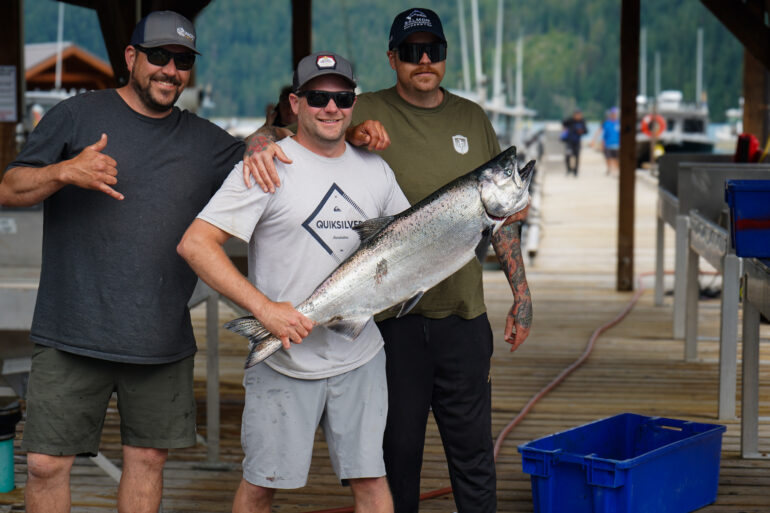
- Flying by seaplane directly from via Kenmore Air or Northwest Seaplanes to the dock of your resort of choice
Each option offers a different balance of flexibility, travel time, and convenience, depending on whether guests prefer to drive, minimize transfers, or arrive directly by air.
Traveling from Oregon, California, and Other U.S. States
Guests traveling from Oregon, California, Texas, Florida, or elsewhere in the United States typically route through Seattle or Vancouver, BC as their final major connection point.
From there, travelers can follow the same access options commonly used by Washington-based guests — whether that means continuing by road and ferry, flying into Comox (YQQ), or taking a direct seaplane flight into coastal regions. While the overall journey may be longer, the final legs into Vancouver Island are often straightforward once travelers reach the Pacific Northwest.
Accessing Fishing Regions on Vancouver Island
Once on Vancouver Island, access to fishing regions varies by destination.
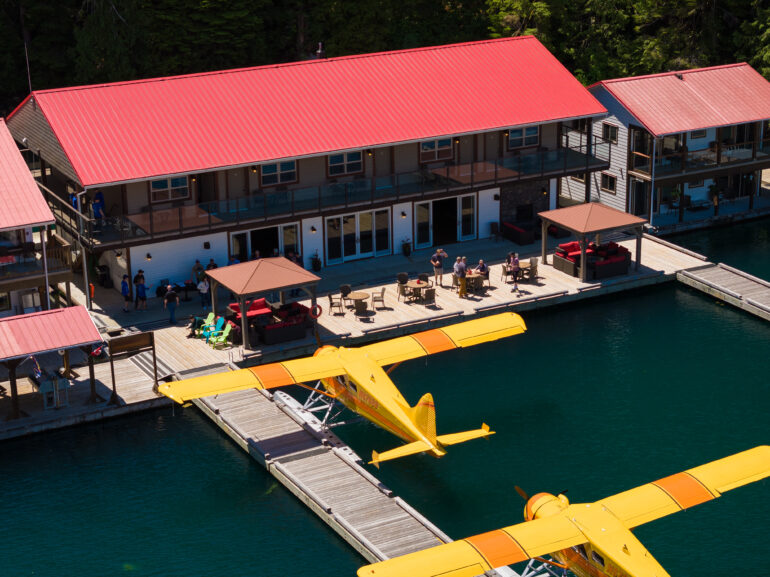
Some areas require additional transfers, while others are reachable by road, boat, or air. For guests traveling to Nootka Sound, an available option is to fly into Comox Valley Airport (YQQ). From there, Nootka Marine Adventures offers a shuttle service (for an additional charge) from the Comox airport or nearby hotels directly to their land-based hub at Moutcha Bay Resort.
From Moutcha Bay, guests can continue by boat transfer to floating lodges within Nootka Sound operated by Nootka Marine Adventures or remain land-based, depending on their trip style. This combination of air, road, and water access helps simplify travel into an otherwise remote region.
Understanding the Fishery You’re Coming For
Across Vancouver Island, most fishing trips focus on a familiar mix of species:
- Chinook (King) Salmon
- Coho Salmon
- Lingcod
- Pacific Halibut
- Rockfish
These species are available up and down the island, and the techniques used to target them are broadly similar regardless of region.
Choosing the Right Region on Vancouver Island
While the species remain consistent, regions around Vancouver Island differ in how fishing opportunities come together.
Factors that shape a fishing experience include:
- Underwater structure and depth
- Access to both protected and open water
- Local river systems and hatchery influence
- Proximity between salmon and bottom fishing grounds
- The ability to adapt to changing conditions
Regions like Nootka Sound are often referenced in planning discussions because these elements overlap in close proximity. The influence of productive systems such as the Conuma River and Conuma Hatchery contributes to regular salmon movement through the Sound, while nearby structure supports strong bottom fishing opportunities.
Understanding Retention & Regulations (What US Anglers Should Know)
Canadian fishing regulations can feel confusing at first, especially if you’re used to U.S. systems. One of the strengths of Nootka Sound is that, overall, retention opportunities are strong compared to many other regions on the coast.
Salmon Retention
In Nootka Sound, salmon retention limits as of the 2025 season are listed as:
- Chinook (Spring Salmon):
- 2 per day
- 4 total in possession per licensed angler
- Coho Salmon:
- 2 per day
- 4 total in possession per licensed angler
There are some zone-specific considerations for Coho, particularly around hatchery versus wild fish. Fishing in Nootka Sound typically occurs in DFO Areas 25 and 125 (official map/regulations), where regulations are clearly defined and easy to navigate with proper guidance.
The key takeaway for U.S. travelers: Nootka Sound offers excellent retention opportunity for both Chinook and Coho, along with bottom fish species.
Don’t Overlook the Bottom Fishery
The bottom fishery in Nootka Sound is exceptional — both in size and consistency — and for many U.S. guests, it becomes a highlight of the trip.
Lingcod
Nootka Sound boasts a very strong Lingcod fishery, with:
- Daily limit: 3 Lingcod per angler
- Possession limit: 6 Lingcod per licensed angler
Fish are often large, aggressive, and abundant, making Lingcod a favourite target for anglers looking for both action and excellent table fare.
Halibut
Halibut regulations vary year to year, but the fishery itself remains strong. In the most recent season:
- Licensed anglers were permitted 1 Halibut under 102 cm in possession
For many U.S. guests, the ability to combine salmon fishing with Halibut and Lingcod in the same trip is a major reason Nootka Sound stands out.
When to Go
For most U.S. travelers, the primary fishing season on Vancouver Island runs from June through early September.
- June to early July often brings quieter water, early migratory Chinook, and fewer boats.
- Mid-July through August is peak season, with strong Chinook and Coho presence alongside excellent bottom fishing.
- Late August to early September can offer consistent action as fish begin orienting toward their final destinations. Coho fishing is exceptionally strong in this window.
Choosing when to travel often comes down to balancing fishing preferences, crowd levels, and personal schedules.
Guided vs Self-Guided Fishing
Another key planning decision is how you want to fish.
Many U.S. guests opt for guided fishing, especially on shorter trips, to maximize efficiency and benefit from local knowledge. Others prefer self-guided or semi-guided options, particularly experienced anglers who enjoy running their own boat while still having access to local support and infrastructure.
Some regions on Vancouver Island support both approaches well, allowing anglers to choose a style that fits their experience level and group dynamic.
Boats, Comfort & Accessibility Matter
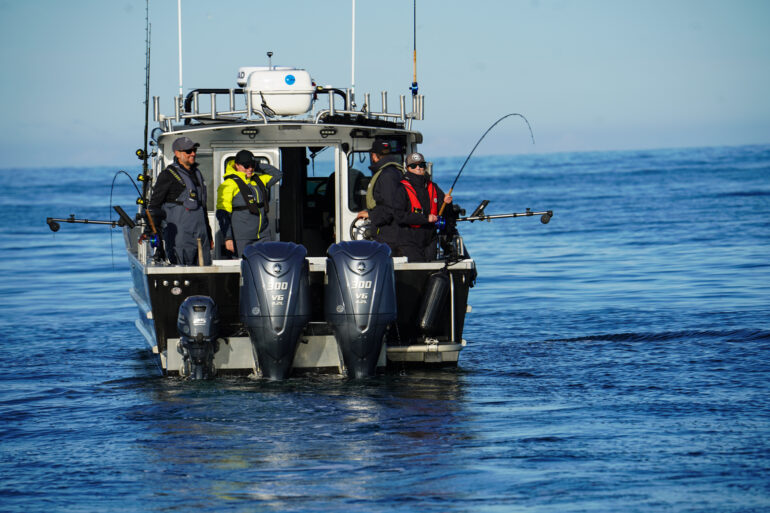
In a remote west coast fishery, the boat you fish from has a major impact on your experience, especially when you’re fishing multiple species or spending full days on the water.
To keep with Nootka Marine Adventures, they currently offer over 20 North River boats ranging from 29 to 32 feet, designed to handle the extreme of conditions while keeping comfort at the forefront. These boats feature:
- Shockwave suspension seating for comfort during longer runs
- Seakeeper gyroscopic stabilizers for added stability while fishing and significantly decreasing the chances of seasickness due to the elimination of up to 90% of boat roll
- Wide, stable fishing platforms with thoughtful layouts. Watch a quick guided-boat walkthrough (video)
Several boats in the fleet also include side-door access, allowing for wheelchair accessibility. This design makes it possible for anglers with mobility considerations to safely and comfortably enjoy a day on the water, something that isn’t always available in remote fishing destinations.
The goal is simple: give anglers a comfortable, confidence-inspiring experience in a remote, rugged setting while fishing one of the world’s great salmon and bottom-fish destinations.
Gear, Equipment & On-the-Water Support
Another common question for U.S. travelers is what gear they need to bring.
For guests booking guided trips or rental boats through Nootka Marine Adventures, all essential fishing gear is provided — including rods, reels, tackle, and safety equipment — so you can focus on fishing rather than logistics.
If you’re planning to bring your own boat or fish independently, the team is still happy to help. Guidance on:
- Gear selection
- Tackle setup
- Local conditions
- Species-specific considerations
All readily available to ensure you’re properly prepared for fishing in Nootka Sound.
Why Nootka Sound Often Becomes the Focus
As anglers research different regions, certain names tend to surface repeatedly — not because they are heavily marketed, but because they consistently deliver.
Nootka Sound is one of those places.
The Sound offers:
- Access to calm, protected inside waters and open Pacific coastline
- Strong salmon and bottom fishing opportunities
- Productive river systems and hatchery influence
- Short travel distances between fishing areas
- A long history of hosting visiting anglers
For U.S. travelers investing the time and cost of an international fishing trip, these factors often become decisive.
Working With People Who Understand the Process
Planning an international fishing trip naturally comes with questions — around travel, licensing, timing, and logistics.
Having access to people who coordinate these trips regularly can remove much of the uncertainty. For guests traveling to Nootka Sound, Nootka Marine Adventures’ reservations team assists throughout the planning process, helping align travel options with fishing goals based on where guests are coming from and how they prefer to travel.
Bringing It All Together
A successful Vancouver Island fishing trip doesn’t require perfect planning — just informed planning.
By understanding the fishery, choosing the right region, and thinking through travel logistics ahead of time, U.S. anglers can experience one of the most diverse and productive fisheries on the west coast without unnecessary stress.
For many travelers, that planning journey ultimately leads them to places like Nootka Sound, where fishing opportunity, accessibility, and flexibility come together naturally.
And once you’re on the water, the reason people keep coming back becomes clear.
Planning Your Vancouver Island Fishing Trip
If you’re early in the planning process, clarity is key. Understanding species availability, regulations, timing, and logistics helps ensure your trip delivers exactly what you’re looking for.
From there, the focus shifts to what matters most — time on the water, great fishing, and experiencing one of Vancouver Island’s most complete saltwater fisheries.
Good luck out there and tight lines during the 2026 season!
For more information on Nootka Marine Adventures and how to book with them, visit www.nootkamarineadventures.com